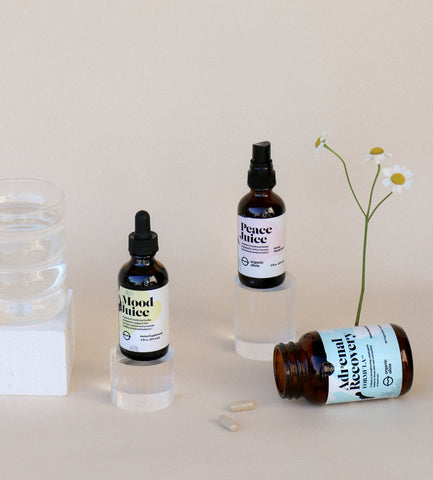

If you’ve been popping antacids, taking a PPI, or avoiding coffee for ages and are still struggling with acid reflux, there’s something you may be overlooking entirely: too little stomach acid. We know, it sounds totally backwards. You quite literally FEEL the burn in your chest, the heat creeping up your throat. But that feeling might not mean what you think it does, and it’s a huge part of why we created Digestive Juice.
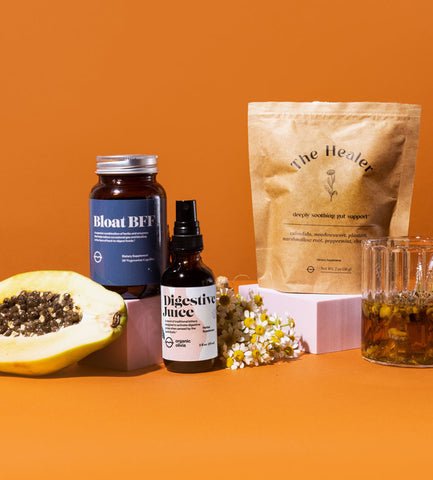
A fast-acting blend of digestive bitters used before or after meals to support digestion, occasional gas and bloating.* STAR HERB: Gentian
Digestive Juice
PPIs are among the most commonly used drugs in the world, with over 113 million prescriptions written annually. Clearly, reflux is an issue for so many of us. But… if suppressing acid were actually solving the problem, why are so many people still suffering with reflux??
What’s Actually Going On
When stomach acid is low (a condition called hypochlorhydria), food doesn’t properly get broken down, and it sits in your stomach longer than it should. It ferments and creates a buildup of gas and pressure that has to go somewhere. Often, that somewhere is up into your esophagus. So the burning you feel isn’t from excess acid; it’s just from the acid being in the wrong place due to poor digestion. And here’s the kicker that most people never hear. Antacids and PPIs reduce stomach acid even further! Sure, they provide sweet, sweet relief short-term, but the underlying dysfunction continues and tends to worsen over time.
Stomach acid or hydrochloric acid (HCl) is not the enemy. It’s one of your body’s most essential digestive tools. We need stomach acid to:
-
Break down protein properly
-
Activate pepsin, the primary enzyme responsible for protein digestion
-
Absorb minerals (like calcium, magnesium, zinc, and iron)
-
Kill pathogens that could cause overgrowths and infections
-
Kick off digestion for the small intestine to take over
An important note: if you have severe, persistent, or worsening reflux, especially coupled with trouble swallowing, you may have a structural issue that needs medical attention. Always consult with your doctor.
The Sneaky Causes of Low Stomach Acid
Chronic stress – A huge culprit. Your body produces stomach acid through the parasympathetic nervous system, aka rest and digest mode. More specifically, your vagus nerve (the superhighway connecting your gut and brain) triggers what’s called the cephalic phase of digestion, essentially telling your stomach “food is coming, start prepping”. When vagal tone is low (as it is in those with chronic stress or nervous system dysregulation), your digestive system doesn’t get the memo, and your stomach doesn’t produce adequate amounts of stomach acid in advance of eating. This is why SO many people with acid reflux also struggle with anxiety, depression, or other nervous system conditions. It’s all part of the same system thanks to the vagus nerve!
Long-term medication use (PPIs, antacids, H2 receptor agonists) – The cruel irony is that the medication prescribed for acid reflux directly suppresses the stomach acid your body needs. Over time, your body can become dependent on external acid suppression, making it harder to produce enough on its own. It’s important to know that stopping PPIs cold turkey can absolutely create a rebound effect. Acid surges dramatically, making you feel like you desperately need the medication again. This is withdrawal, not confirmation!
Eating too fast – Your body needs time to prepare for a meal. The cephalic phase of digestion (the anticipatory production of stomach acid, digestive enzymes, and bile) begins long before food even enters your mouth. But when you eat too quickly (without pausing or presence), food arrives in a stomach that simply isn’t ready to receive it.
Not enough bitter foods – Bitter compounds are genuinely magical and here’s why. Instead of taking digestive enzymes that fill a gap, bitter-tasting plants actually teach your body to produce stomach acid. The moment they hit your tongue, a signal fires to your brain to prepare your stomach for digestion – activating the vagus nerve and triggering the cephalic phase. With the popularization of hyperpalatable foods, our taste buds aren’t used to the bitter flavor anymore, and we’re definitely paying the price.
Mineral deficiencies – Believe it or not, your stomach acid is literally built from minerals. Zinc is a critical cofactor in the production of hydrochloric acid, while sodium and potassium are key components of stomach acid itself. Cobalt and sulfur also play a role here. And with the widespread mineral depletion in our food supply and the high demands of modern life, it’s no wonder that so many of us aren’t producing enough stomach acid.
Vegetarian and vegan diets – When you significantly reduce or remove animal protein from your diet, your wise and efficient body recognizes that it no longer needs the enzymes to digest that food anymore and can therefore save energy by shutting down production. This is why people who reintroduce animal protein after a long period of plant-based eating often notice digestive issues – their digestion hasn’t quite caught up yet.
H. pylori infection – This stubborn bacterial infection actually thrives in the acidic environment of the stomach and suppresses stomach acid over time. When left untreated, it can seriously disrupt stomach acid levels and cause chronic reflux. If you’ve struggled with reflux for years without resolution, H. pylori testing is definitely worth discussing with your practitioner. It’s more common than you think!
Lifestyle Shifts That Support Healthy Stomach Acid
-
Eat bitter foods (arugula, lemon, dandelion greens, radicchio, endive) daily, and/or take digestive bitters before meals
-
Don’t drink too much water with meals, as this dilutes stomach acid and digestive enzymes. Save your water intake for between meals.
-
Eat in a parasympathetic state, without distractions or stress. Take a few deep, slow, diaphragmatic breaths before taking your first bite.
-
Chew your food thoroughly! This reduces the burden on your stomach acid.
-
Address any mineral depletion with diet and targeted supplementation
-
Test for H. pylori if you can’t kick your chronic reflux
-
Taper PPIs SLOWLY if discontinuing, and work with a knowledgeable practitioner to help you with this