
In a world where more is more is more, it’s easy to forget that our bodies usually thrive on the opposite. Simple. When it comes to household products, this doesn’t mean jettisoning everything you own immediately or striving for perfection. Instead, it’s all about reducing your background load – aka the everyday exposures that slowly add up and place extra demand on your digestion, hormones, skin, airways, and nervous system.
And let’s be honest, greenwashing is very, very real these days. Even if you’ve made the decision to switch to a low-tox lifestyle, it’s not always easy to determine what brands are truly nontoxic and which are all marketing. Like, what does “clean” even mean, anyways? So, today, we’re breaking it down in a way that actually feels understandable and doable, with low-cost, low-stress swaps that make a real difference without turning your whole life upside down.
Your Medicine Cabinet
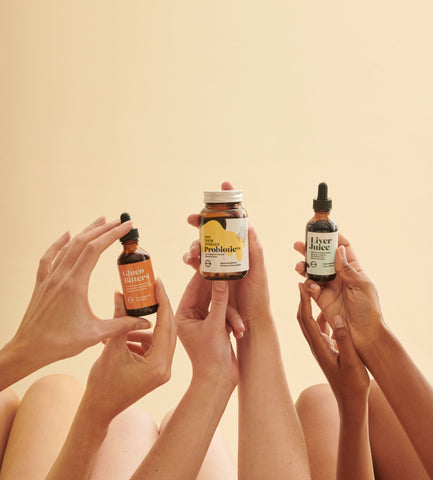
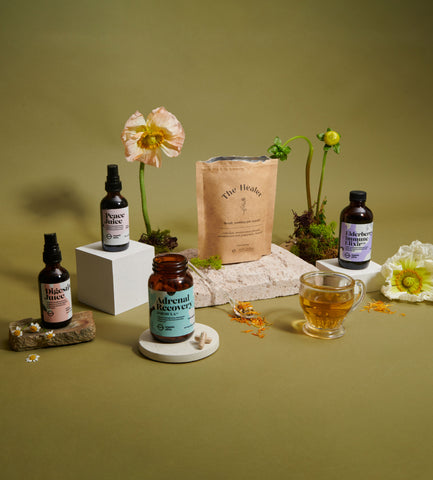
Have you ever flipped over a bottle of an OTC medication and felt weird about the ingredient list? The artificial flavors, mystery binders, and neon dyes don’t exactly scream healing...This is where herbs really shine. Rather than shutting down symptoms, herbs support the body systems involved (like digestion, reproduction, respiration, immunity, etc.) while working with your body’s natural intelligence (versus overriding it).
Some simple swaps you can consider are:
-
Chest Comfort Syrup instead of conventional cough syrups
A clarifying herbal syrup traditionally for respiratory and bronchial health.* STAR HERB: Osha
Chest Comfort Syrup
-
Digestive Juice in place of frequent antacids to support digestion rather than suppressing it
A fast-acting blend of digestive bitters used before or after meals to support digestion, occasional gas and bloating.* STAR HERB: Gentian
Digestive Juice
-
Rosehip Relief as a gentler alternative to routine NSAID use (your liver will thank you!!)
-
Elderberry Immune Elixir instead of immune boosters
-
Soothe Your Throat Spray for dry, irritated throats without sugary lozenges
Cleaning Products
Many conventional cleaning products rely on harsh antimicrobial agents (like bleach and ammonia) and strong synthetic fragrances that linger on surfaces (and in your air!) long after you’re done cleaning. Fragrance is one of the biggest blind spots in the product world – cleaning supplies, candles, plug-ins, perfumes, personal care, you name it. That’s because fragrance or “parfum” is considered proprietary, meaning that companies don’t legally have to disclose the ingredients. Yet over time, repeated exposure to synthetic fragrance has been linked to hormone disruption and nervous system dysregulation. In fact, it’s one of the top categories flagged by environmental health researchers for its potential to disrupt the endocrine system.
One easy way to lessen your burden is to switch to fragrance-free products or formulas scented only with essential oils. If you want to take it a step further, use:
-
Vinegar + water in a spray bottle for glass and everyday surfaces
-
Baking soda for sinks, tubs, showers, and tough stove grease
-
Castile soap for floors and general cleaning
-
Hydrogen peroxide as a gentler disinfectant alternative to bleach
-
Nontoxic brands (like Branch Basics or Koala)
-
Clean laundry powders (like Molly Suds)
-
Take your shoes off at the door
Tip: If you find yourself missing fragrance, add a few drops of a fresh-smelling essential oil (like lemon or peppermint) to your DIY spray bottles.
The Air You Breathe
We talk a lot about what we put in and on our bodies, but what about what we’re breathing all day long? One of the most overlooked exposures in our homes is the air itself. Candles, scented plug-ins, sprays, laundry scents, diffusers, and aerosols can fill your home with synthetic fragrance compounds that are inhaled constantly. Add pet dander, dust, pollen, and outdoor pollutants to the mix, and you’ve got a recipe for irritated airways and respiratory discomfort, especially in sensitive systems.
Low-lift ways to support cleaner air:
-
Crack windows and doors daily, even for a few minutes
-
Run a HEPA air purifier (like Air Doctor) in bedrooms and/or workspaces where you spend most of your time
-
Vacuum and sweep regularly to reduce particulate buildup
-
Choose nontoxic candles (soy or beeswax with cotton or hemp wicks). We like Primally Pure, Fontana, Terralite, and Hemlock Park.
-
Skip synthetic fragrance sprays and plug-ins entirely (in your house AND car!)
-
Bring home houseplants to help purify your air
Cosmetics and Personal Care
Personal care items often sit on our skin for hours upon hours, which makes ingredient quality that much more important. The Environmental Working Group (EWG) reports that American women use an average of 12-13 personal care products daily, exposing them to a whopping 168-178 unique chemicals every day. And some studies suggest that this number may be even higher. And, the truth is, lotions, foundations, deodorants, nail polishes, and hair serums don’t just stay on the surface of our bodies. Many ingredients permeate the skin barrier and interact with hormone signaling, detox pathways, and immune function.
Where to focus first:
-
Choose deodorants without aluminum or heavy metals
-
Avoid phthalates, parabens, and synthetic fragrances
-
Opt for unscented or essential oil-scented formulas
-
Choose oils and botanicals that support your skin barrier (think jojoba, rosehip)
-
Check products using the EWG Skin Deep database or app
-
Choose menstrual care products made with organic cotton
-
Use bamboo or chlorine-free toilet paper
-
Support brands that are transparent about their ingredients
-
Prioritize daily leave-on products (deodorant, makeup, SPF) before stressing about rinse-off formulas that aren’t used as frequently
Kitchen and Cookware
Your kitchen is one of the highest impact areas for nontoxic swaps, simply because food prep and contact happen multiple times a day!
Helpful upgrades:
-
Ditch non-stick and coated cookware in favor of stainless steel, ceramic, glass, or cast iron
-
Use wooden utensils instead of plastic or silicone
-
Swap plastic storage for glass containers or Stasher bags
-
Choose wooden cutting boards over plastic
-
Use nontoxic soap and dishwasher tabs
-
Wash produce thoroughly (a simple vinegar soak works perfectly!)
-
Choose mold-free coffee options
-
Opt for loose-leaf tea instead of bagged tea
Remember, this is NOT about doing everything all at once. Simply notice where small, thoughtful changes can lighten the load your body carries every single day. Focus on one area that feels most important or relevant to you right now, and buckle down on that one. Let it feel supportive, then build from there!